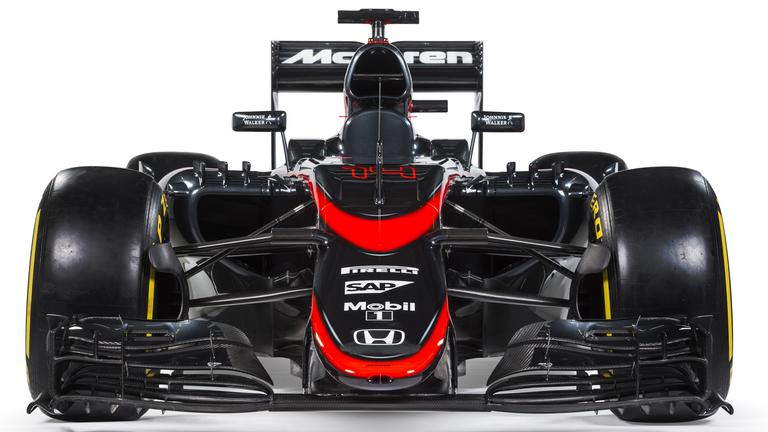
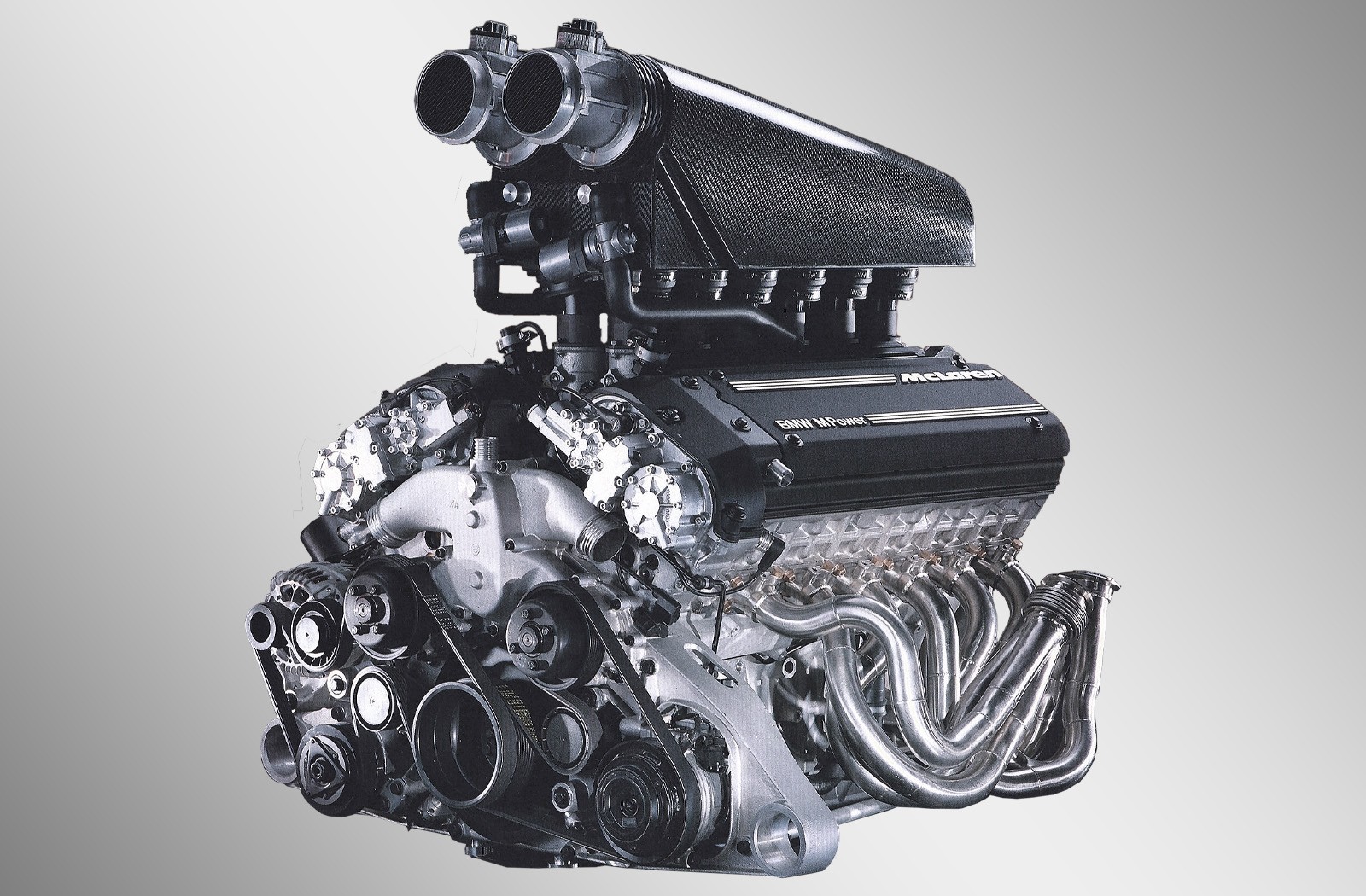
This case study showcases the powerful capabilities of reverse engineering for high-performance automotive applications, specifically focusing on a McLaren Formula 1 V12 engine. The primary goal was to create precise, manufacturing-ready CAD models from an already tuned and optimized engine part.
The process began by capturing the intricate internal and external geometry of the engine components using a CT scanner. This advanced scanning method ensures that even the most complex inner shapes are accurately digitized. An optical scanner was also used to ensure greater accuracy and verify dimensions.
Once the scan data was acquired, it was imported into Geomagic Design X for the core of the reverse engineering work. The workflow involved several key steps:
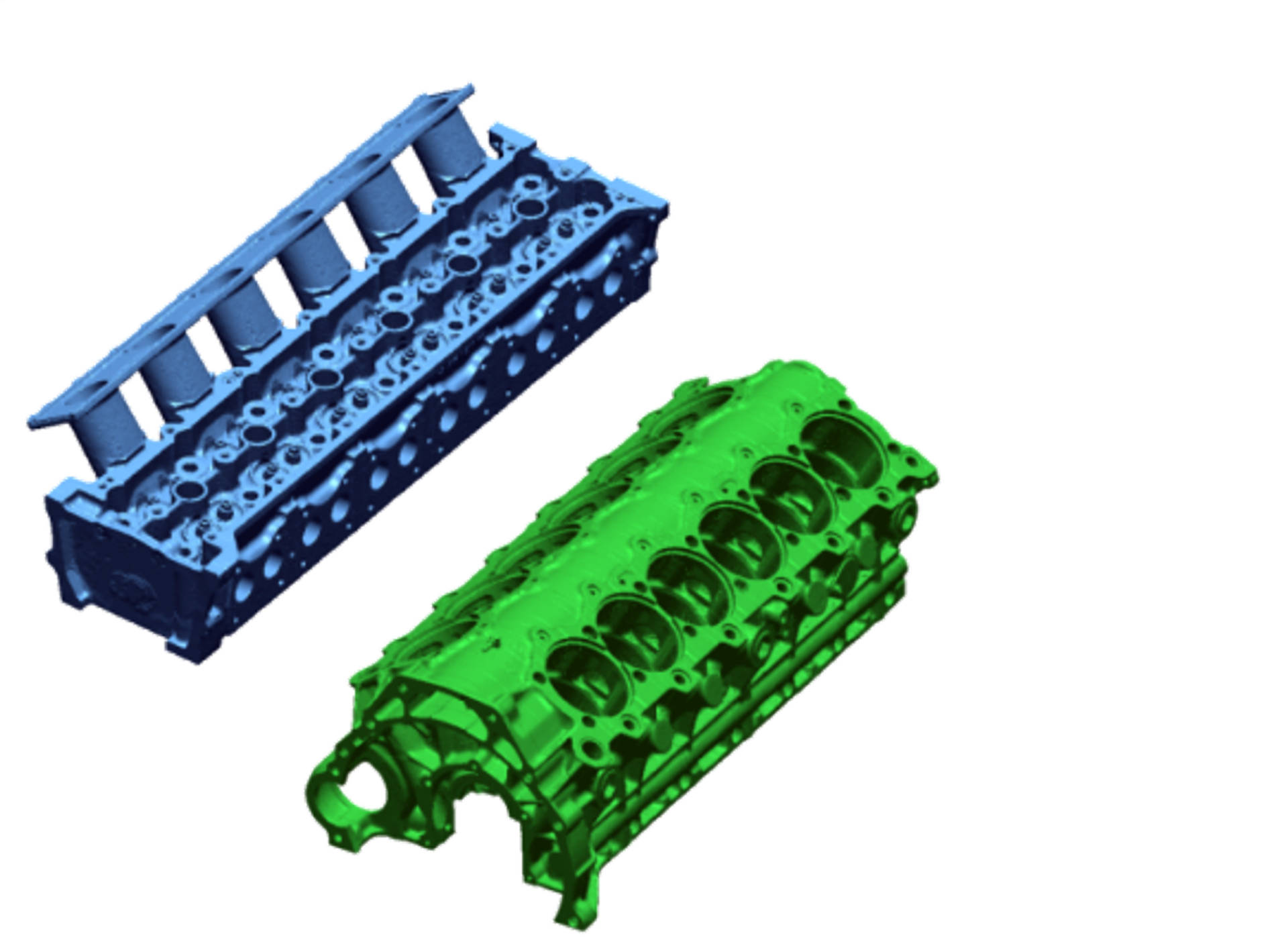
- Mesh Construction: The multiple scans were aligned and constructed into a precise 3D mesh. This mesh served as the foundation for creating a fully parametric CAD model.
- Intelligent Analysis: The software's tools were used to analyze the complex shapes and intelligently recognize feature regions of the engine block.
- Full Parametric Feature Modeling: The raw scan data was cleaned and edited to remove any imperfections.
- [One of Dimension Driven Sketches from a section]
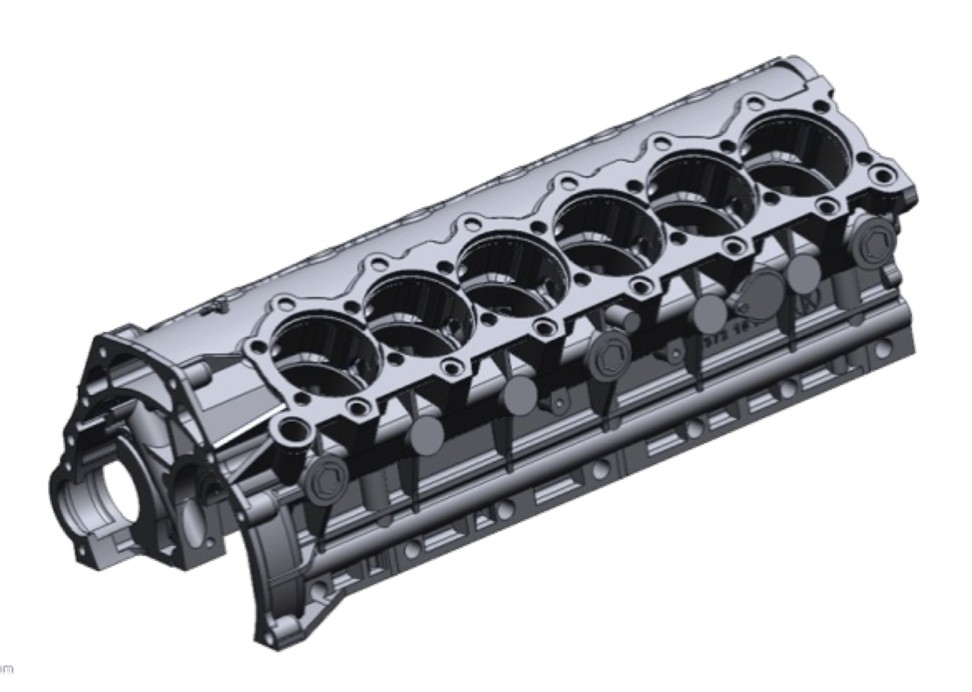
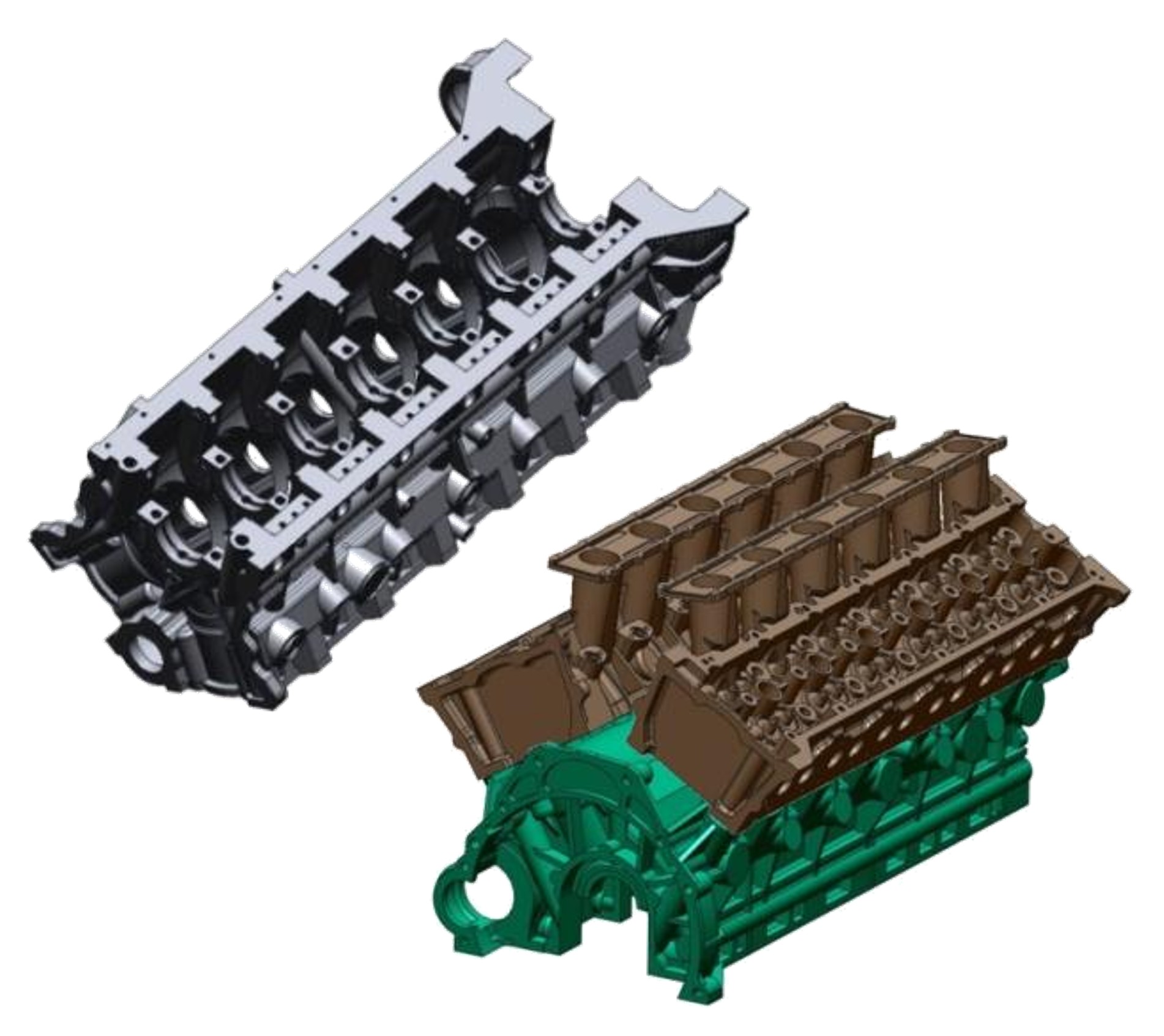

The final result was a complete, feature-based CAD model that was ready for downstream applications, such as manufacturing or further engineering analysis. This entire process, from scanning to a completed CAD model, was accomplished with remarkable efficiency, taking just five man-days per part. This project with McLaren stands as a testament to how modern 3D scanning and reverse engineering software can accelerate innovation in the demanding world of motorsport.
Comments
Post a Comment