The story of Grecia, a yellow-throated toucan from Costa Rica, became a global symbol of animal welfare and the power of technology. In late 2014, Grecia was brutally attacked by teenagers, which resulted in the severe damage of his upper beak. This was a life-threatening injury, as a toucan's beak is essential for eating, grooming, and thermoregulation.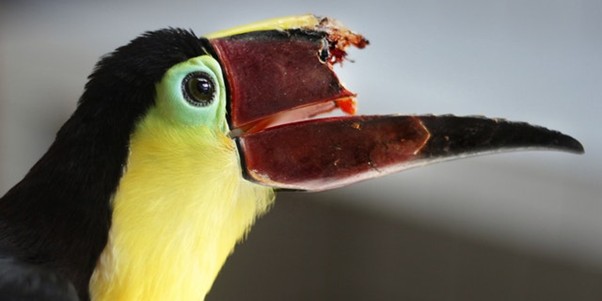
Grecia was taken to the Rescate Wildlife Rescue Center (formerly Zoo Ave), and his plight gained worldwide attention, sparking a crowdfunding campaign and a movement against animal cruelty in Costa Rica. A team of experts and companies, including the Costa Rican firm Grupo SG and 3D Systems, collaborated to create a prosthetic beak.
This is where Youngkwan Joo's expertise became critical.
The Role of Youngkwan Joo
Youngkwan Joo, a 3D reverse engineering specialist based in Seoul, South Korea, was a key figure in the project. He was tasked with the intricate design work for the prosthetic beak.
The process involved:
Data Acquisition: Grupo SG, with the help of an Artec Spider 3D scanner, captured the dimensions of Grecia's damaged beak and the surrounding area. They also scanned the entire beak of a deceased toucan to gather additional data for a complete model.
3D Modeling: Joo utilized 3D modeling software, specifically Geomagic Freeform, to design a well-fitted prosthetic beak for Grecia. This software allowed him to "sculpt virtual clay models into organically shaped precision forms." He worked with both the scans of Grecia's broken beak and the complete beak from the other toucan to ensure the new beak was anatomically correct and functional.
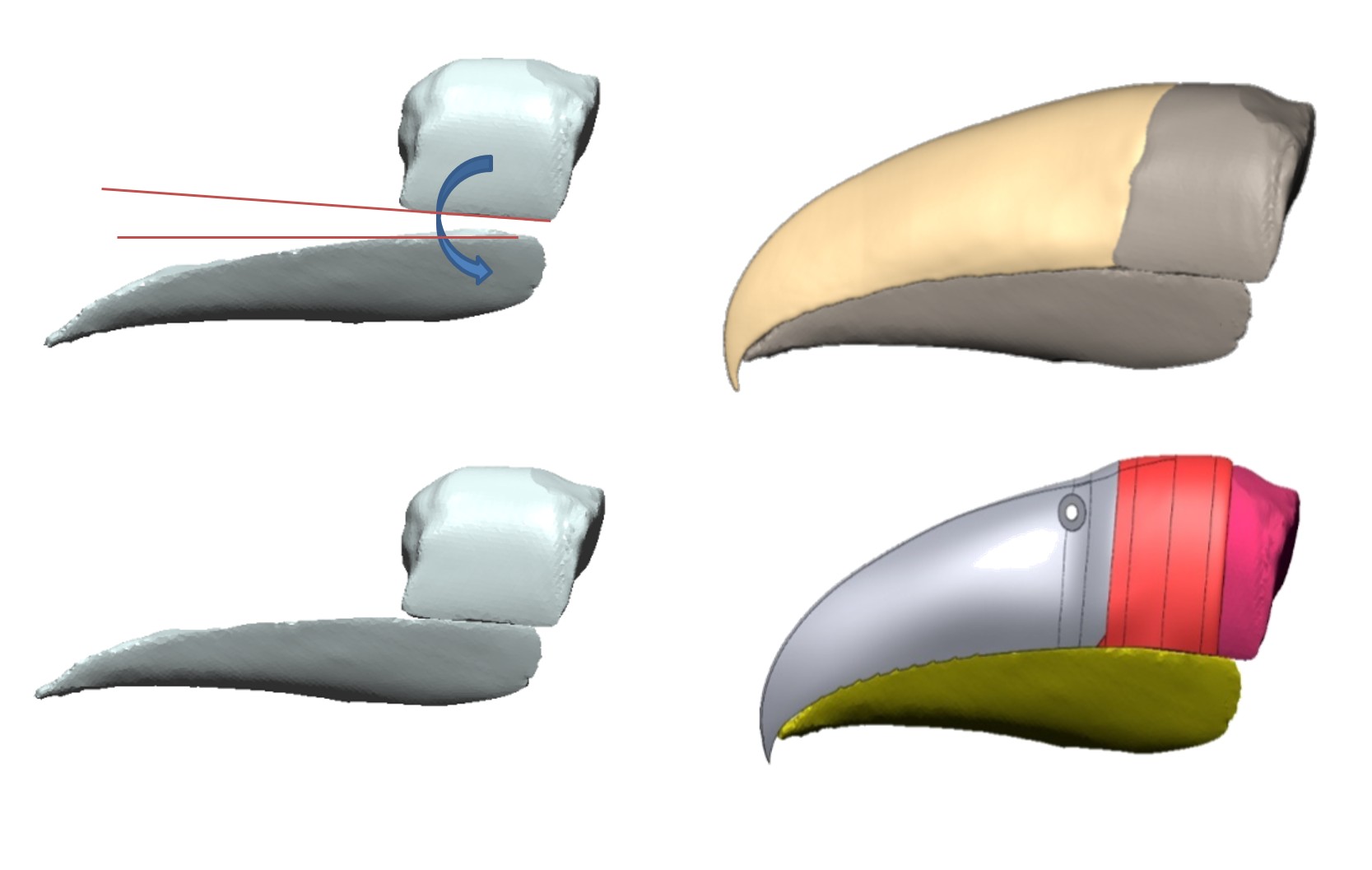
Designing the Attachment Mechanism: Beyond the beak itself, Joo also designed a cap to attach the prosthetic to the remaining part of Grecia's beak. This cap was designed to be removable for cleaning and to accommodate Grecia's growth, as he was still a young bird.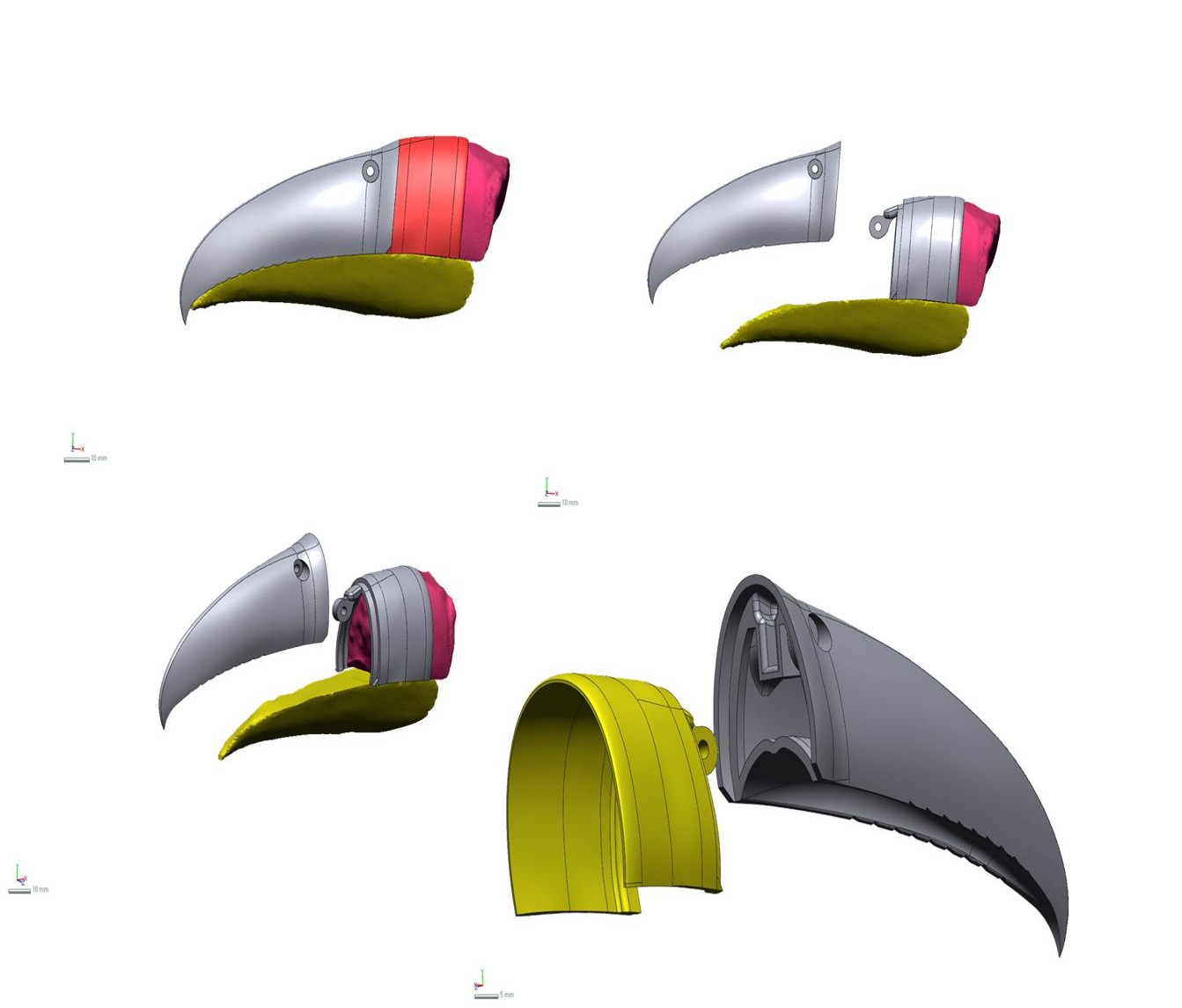
Young's work was a crucial step in the process, translating the raw scan data into a functional design that could be 3D printed. 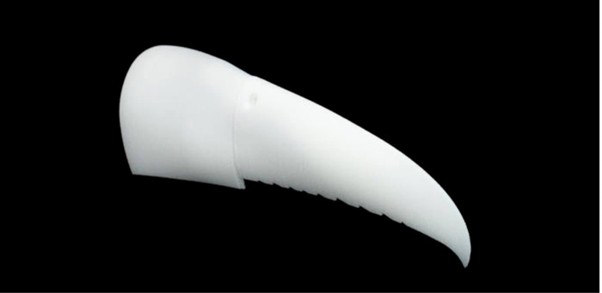
His involvement highlights the international and multidisciplinary nature of this groundbreaking project.
The Final Prosthetic and Outcome
After Young's design work, prototypes were made using various materials, with the final version being printed from a durable plastic called Duraform PA. The beak and cap were then shipped to Costa Rica, where they were successfully attached to Grecia.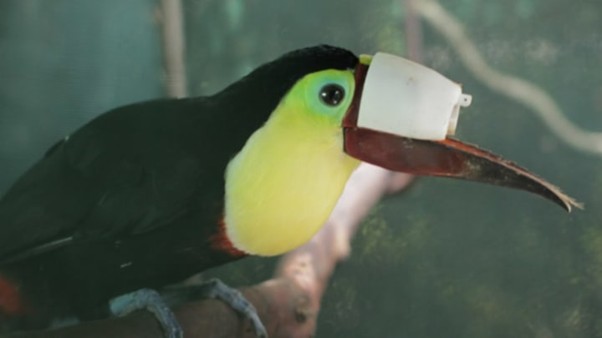
Grecia adapted to his new beak very quickly. He was soon able to eat and drink independently and resumed normal activities like preening his feathers and singing, which had been previously hindered by his injury. The success of the project made Grecia a symbol of hope and the potential for 3D printing to revolutionize veterinary care. The story was even featured in the documentary "Toucan Nation" by Animal Planet. 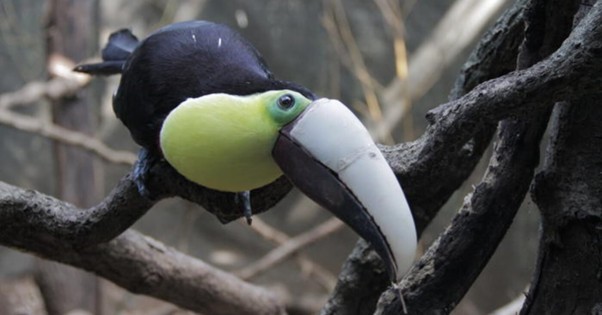
YouTube Link is here,
https://youtu.be/TKqeX_8O1vU?si=-qgrJVwY_nP1huI1
Referring Links
- "3D scanning, Freeform and 3D printed prosthetic beak give new life to Costa Rican toucan" (Geomagic): This article directly names Youngkwan Joo and details his specific contributions to the 3D modeling of Grecia's beak. https://oqton.com/posts/3d-scanning-freeform-and-3d-printed-prosthetic-beak-give-new-life-to-costa-rican-toucan/
- "Grecia (toucan) - Wikipedia": A comprehensive overview of Grecia's story, including his injury, rescue, and the details of the prosthetic beak project. https://en.wikipedia.org/wiki/Grecia_(toucan)
- "Toucan receives 3D-printed beak from Rock Hill company" (AP News): This article provides a general timeline of the events and the companies involved, including 3D Systems and their partner, Grupo SG. https://apnews.com/general-news-2df109d3e3f54d7e83db389e75d0516a
- "'Grecia' the injured toucan finally got his 3D-printed beak – and even his singing is better!" (Earth Touch News): This article discusses the emotional and physical transformation Grecia underwent after receiving his new beak.
- https://www.earthtouchnews.com/discoveries/innovation/grecia-the-injured-toucan-finally-got-his-3d-printed-beak-and-even-his-singing-is-better
- https://youtu.be/TKqeX_8O1vU?si=hY4OCl-IGHoHwRES (Footage credit: Animal Planet)
Comments
Post a Comment